Communal Area Cleaning: Creating Safer, Healthier Shared Spaces
Why Communal Area Cleaning Matters 
Communal area cleaning is one of the most important services for maintaining buildings where multiple people live, work, or pass through every day. Shared environments such as apartment hallways, lobbies, stairwells, lifts, entranceways, corridors, and communal kitchens can quickly collect dust, grime, fingerprints, litter, and bacteria. Without regular communal area cleaning, these areas can become unpleasant, unhygienic, and even unsafe.
Property managers, landlords, housing associations, letting agents, business owners, and residents all benefit from a well-planned cleaning routine. Clean communal spaces improve first impressions, reduce maintenance issues, support health and safety, and create a better experience for everyone who uses the building. In many cases, effective communal area cleaning also helps protect property value by keeping shared spaces in excellent condition.
Whether the building is residential or commercial, shared spaces experience constant foot traffic. That means dirt enters more often, surfaces are touched more frequently, and waste builds up faster. A professional approach to communal area cleaning keeps these spaces fresh, hygienic, and welcoming all year round.
What Communal Area Cleaning Includes 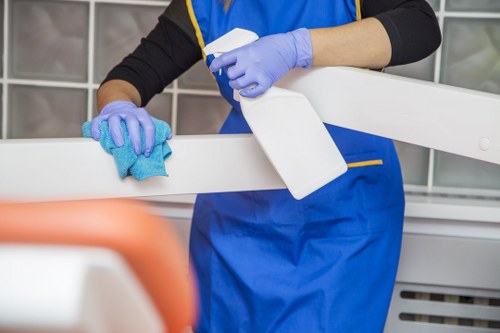
Communal area cleaning covers all shared parts of a building that are used by more than one person. The exact scope may vary depending on the property, but the goal is always the same: to maintain a clean, sanitary, and presentable environment. Typical tasks include dusting, vacuuming, mopping, sanitising touchpoints, waste removal, and general tidying.
In residential buildings, communal area cleaning may involve entrance halls, staircases, lift interiors, corridors, mail areas, bin stores, and shared laundry rooms. In office or mixed-use properties, it may also include reception areas, shared kitchens, washrooms, breakout spaces, and meeting areas. Each zone needs the right cleaning method to ensure a consistent result.
A well-managed service is not just about appearance. It also supports infection control, reduces slip hazards, and prevents debris from being tracked into private spaces. For that reason, communal area cleaning should be scheduled regularly and performed with attention to detail.
Common Areas That Need Regular Attention
Shared buildings contain multiple high-use zones, and each one has its own cleaning needs. The most frequently maintained areas include:
- Entrances and lobbies - These create the first impression and collect dirt from shoes and outdoor weather.
- Stairwells - Dust, debris, and hand contact make stair cleaning essential.
- Corridors and hallways - Constant movement means fingerprints, scuffs, and litter accumulate quickly.
- Lifts and elevator cabins - These are high-touch spaces that need sanitising and polishing.
- Shared kitchens and break rooms - Food residue, spills, and waste can attract pests if not cleaned properly.
- Bin stores and waste areas - These require hygiene-focused cleaning to control odours and contamination.
Each of these areas contributes to the overall perception of the property. If one section is neglected, the whole building can feel poorly managed. That is why effective communal area cleaning should cover every shared space, not just the most visible ones.
Regular attention also reduces wear and tear. For example, dirt left on floors can scratch surfaces, while stains on walls or handrails can become harder to remove over time. A proactive cleaning plan protects both cleanliness and the building’s long-term condition.
Benefits of Professional Communal Area Cleaning 
Investing in professional communal area cleaning delivers many practical benefits. The most obvious is improved hygiene, but the advantages go much further. Clean shared spaces contribute to a better environment for residents, employees, visitors, and contractors alike.
One major benefit is improved safety. Dirt, water, and rubbish can create slip and trip hazards, especially in stairwells, entranceways, and outdoor-to-indoor transition points. A regular communal cleaning schedule helps keep floors dry, clear, and safe to use.
Another key advantage is better air quality. Dust, cobwebs, and other airborne particles can build up in enclosed spaces if they are not removed consistently. Communal area cleaning supports a healthier indoor environment by reducing allergens and keeping shared areas fresh.
How Clean Communal Areas Improve Property Image
People often judge a property before they even enter a private space. A spotless lobby, clean floors, and well-maintained common areas immediately send the message that the building is cared for. This matters for apartment blocks, office buildings, student accommodation, and managed estates.
For landlords and property managers, communal area cleaning can also improve tenant satisfaction. Residents are more likely to feel comfortable and respected when shared areas are tidy and professionally maintained. In turn, this can support retention and reduce complaints.
First impressions matter, and shared spaces are often the first thing people see. When communal spaces look clean and orderly, the whole property feels more attractive, more organised, and more valuable. That is a major reason why many property owners prioritise regular cleaning services.
Health, Hygiene, and Infection Control 
Clean shared spaces are essential for supporting health and hygiene. High-touch surfaces such as door handles, switches, banisters, lift buttons, and handrails can quickly accumulate germs. Frequent communal area cleaning helps reduce the spread of bacteria and viruses across a building.
This matters in both residential and commercial settings. In apartment complexes, many people pass through the same areas daily. In office buildings, workers and visitors may use shared facilities throughout the day. A hygienic cleaning routine lowers the risk of cross-contamination and creates a more reassuring environment for everyone.
In addition to surface hygiene, good cleaning practices help control smells and waste-related issues. Bin storage areas, food preparation zones, and washrooms need special attention to maintain a sanitary atmosphere. When these areas are cleaned properly, the entire property feels more pleasant to use.
Essential Tasks in a Communal Area Cleaning Routine
Effective communal area cleaning usually follows a planned checklist. This ensures nothing is missed and that each area receives the right level of attention. A typical routine may include the following tasks:
- Sweeping and vacuuming all floors to remove dust, dirt, and debris.
- Mopping hard floors using suitable cleaning products.
- Wiping and sanitising touchpoints such as handrails, switches, handles, and buttons.
- Cleaning glass panels, mirrors, and entrance doors to remove marks and fingerprints.
- Emptying bins and replacing liners to maintain hygiene.
- Dusting ledges, skirting boards, radiators, and other overlooked surfaces.
- Removing cobwebs from ceilings, corners, and stairwells.
- Spot-cleaning walls, lifts, and other high-contact surfaces.
Some properties also require more specialised tasks such as carpet care, pressure washing, deep sanitisation, or periodic floor polishing. The best communal area cleaning programmes are flexible enough to match the exact needs of the building.
Consistency is crucial. A one-off clean may improve appearance temporarily, but regular maintenance is what keeps a property truly presentable. That is why many buildings benefit from daily, weekly, or custom scheduled cleaning plans.
Choosing the Right Frequency for Communal Area Cleaning 
The ideal cleaning frequency depends on how busy the property is, the type of building, and the expectations of those who use it. Busy apartment blocks may need daily communal area cleaning, while smaller developments may only require weekly visits. Commercial environments often need a tailored plan based on occupancy and foot traffic.
High-traffic spaces usually need more frequent attention because dirt builds up quickly. For example, shared entrances and corridors may require daily vacuuming or mopping, while stairwells may need regular dusting and sanitising. Waste areas may also need multiple visits per week to manage odours and hygiene.
Seasonal factors can influence the schedule too. During wet weather, mud and water are more likely to be carried inside. In winter, salt and slush may create extra mess. During pollen season, dust and allergens may increase. A smart communal area cleaning plan adjusts to these changing conditions.
Factors That Affect Cleaning Frequency
Several important factors help determine how often shared spaces should be cleaned:
- Number of occupants - More people usually means more dirt and higher touchpoint use.
- Building type - Residential, commercial, and mixed-use properties have different cleaning demands.
- Foot traffic - Busy entrances and corridors need more frequent care.
- Available facilities - Shared kitchens, washrooms, and waste areas require extra hygiene control.
- Surface materials - Carpets, tiles, stone, and vinyl all need different maintenance methods.
- Risk profile - Areas with higher hygiene concerns may need enhanced sanitisation.
By considering these factors, property managers can build a practical cleaning schedule that balances cost, appearance, and hygiene. This makes communal area cleaning more efficient and more effective over time.
It also helps avoid overcleaning or undercleaning. Too little attention can lead to complaints and damage, while unnecessary work can increase costs. The right schedule is always based on actual usage and the building’s unique conditions.
Professional vs In-House Communal Area Cleaning
Some properties rely on in-house staff for shared area maintenance, while others outsource the job to a specialist cleaning company. Both approaches can work, but professional services often provide a higher level of consistency, equipment access, and expertise. When a building needs dependable communal area cleaning, outsourcing can be a smart choice.
In-house cleaning can be effective for smaller sites with simple needs and clearly defined routines. However, staff availability, training, and holiday cover may create gaps in service. A professional team usually brings structured processes, backup support, and experience with different property types.
Professional cleaners also tend to use industry-grade equipment and products that improve results. From microfiber systems to specialist floor care solutions, the right tools make a noticeable difference. That is especially important when dealing with larger communal spaces or challenging surfaces.
What to Look for in a Cleaning Provider
If you are choosing a provider for communal area cleaning, look for more than just a low price. A strong service should offer reliability, clear communication, and a detailed cleaning plan. Important qualities include:
- Experience with residential and commercial shared spaces.
- Flexible scheduling to suit the building’s routine.
- Trained staff who understand hygiene, safety, and attention to detail.
- Quality control processes to maintain standards.
- Appropriate equipment for different flooring and surface types.
- Eco-conscious options for environmentally aware properties.
It is also helpful if the provider can adapt as the building changes. New tenants, increased traffic, or updated facilities may all require adjustments. Good communal area cleaning services remain responsive rather than rigid.
When service quality is strong, the benefits are visible almost immediately. Hallways stay cleaner for longer, complaints reduce, and the property feels more welcoming throughout the week.
Eco-Friendly Communal Area Cleaning
Many property owners now prefer greener cleaning methods. Eco-friendly communal area cleaning uses products and processes designed to reduce environmental impact while still delivering excellent results. This may include low-toxicity detergents, concentrated cleaning solutions, reusable microfiber cloths, and water-efficient methods.
Environmentally conscious cleaning can be especially appealing in residential developments and corporate buildings where sustainability is a priority. It supports healthier indoor air and helps reduce the use of harsh chemicals in shared spaces.
Eco-friendly practices do not mean sacrificing standards. In fact, when used correctly, sustainable cleaning solutions can be highly effective for regular maintenance. The key is choosing products and methods that are suitable for each surface and each cleaning task.
Best Practices for Long-Term Results
To keep shared spaces in excellent condition, a few best practices make a big difference. These include:
- Creating a clear cleaning schedule tailored to the building.
- Prioritising high-touch surfaces during every visit.
- Using suitable products for different materials and finishes.
- Monitoring common problem areas such as entrances and waste zones.
- Recording work completed for accountability and quality control.
- Reviewing the plan regularly and adjusting as needed.
These steps help ensure that communal area cleaning remains effective over time. Clean shared spaces are not the result of one big effort; they come from consistent upkeep and smart planning.
Where possible, it is also worth educating residents or occupants about shared responsibility. Simple habits such as disposing of litter correctly, wiping spills quickly, and keeping entrances clear can support the overall cleaning strategy.
Common Problems Caused by Poor Communal Area Cleaning
Neglecting shared spaces can lead to a range of avoidable problems. Dirty floors, stained walls, overflowing bins, unpleasant odours, and dusty surfaces all create the impression that a property is poorly managed. Over time, poor communal area cleaning can also create bigger operational issues.
One common problem is complaints from residents, staff, or visitors. If people feel that shared spaces are not being maintained properly, confidence in property management may drop. Another issue is accelerated wear and tear, since dirt and grime can damage finishes and make future cleaning more difficult.
There are also safety concerns. Wet floors, clutter, poor visibility, and unhygienic waste areas can all contribute to accidents and health risks. Regular cleaning helps avoid these issues while keeping the building pleasant and functional.
How to Keep Communal Areas Cleaner Between Visits
Although professional cleaning does the heavy lifting, small day-to-day habits help keep shared spaces in better condition between scheduled visits. Practical measures include:
- Placing suitable entrance mats to trap dirt and moisture.
- Providing clearly labelled waste and recycling bins.
- Encouraging occupants to report spills or hazards quickly.
- Maintaining good lighting so dirt and damage are easier to spot.
- Using durable, easy-to-clean materials in high-use zones.
These measures support the overall cleaning strategy and make communal area cleaning more efficient. They also help extend the fresh appearance of the building, especially in busy environments.
In some properties, minor responsibilities may be shared among occupants while deeper cleaning is handled by professionals. That balance can work well when expectations are clearly communicated.
The Role of Communal Area Cleaning in Building Management
Good building management is about more than repairs and administration. It also includes maintaining a clean, safe, and attractive environment. Communal area cleaning plays a central role in that responsibility because it directly affects appearance, hygiene, safety, and user satisfaction.
A well-cleaned building reflects careful management and respect for the people using it. For landlords, facility managers, and property owners, it can support tenant loyalty, reduce maintenance complaints, and help preserve asset value. Clean communal spaces are not just a nice extra; they are part of effective property care.
When cleaning is planned properly, the whole building benefits. Residents feel more comfortable, visitors make better impressions, and the property remains easier to maintain in the long run. That is why communal area cleaning should be treated as an essential service rather than an optional one.
Final Thoughts on Maintaining Shared Spaces
Shared environments are used every day by many different people, so they need regular, reliable attention. From entrances and hallways to staircases, lifts, and waste areas, every part of the building contributes to the overall experience. With the right communal area cleaning plan, those spaces can remain hygienic, attractive, and safe.
Whether you manage a residential block, office building, or mixed-use property, the value of professional cleaning is easy to see. It improves first impressions, supports health and safety, and keeps the property in better condition. A consistent routine is always better than a reactive one.
If you want your shared spaces to look their best and stay that way, now is the time to act. Book your service now and create a cleaner, healthier environment for everyone who uses your building. Contact us today to take the next step toward better communal area cleaning.