Oven Cleaning in Modern Homes: A Practical, Hygienic, and Efficient Approach
Keeping your kitchen in top condition starts with one of the most overlooked tasks in the home: oven cleaning. Whether you cook daily or only use your oven for special meals, grease, carbon buildup, burnt spills, and lingering odors can quickly turn a reliable appliance into a frustrating one. A clean oven not only looks better, but it also performs better, heats more evenly, and helps maintain a healthier cooking environment. If you have been searching for effective ways to handle oven cleaning in a way that saves time and improves results, this article covers everything you need to know.
Many homeowners delay cleaning the oven because the task feels messy, time-consuming, or difficult to manage. However, regular maintenance can prevent stubborn buildup and reduce the need for heavy scrubbing later. With the right routine, the right products, and a clear understanding of how ovens work, you can keep the appliance spotless and functional. In this article, we will explore the benefits of oven cleaning, how often it should be done, the safest methods to use, and when professional help may be the best choice.
From self-cleaning cycles to manual degreasing, there are several ways to tackle an oven that has become dirty over time. The best approach depends on your appliance, your cooking habits, and the type of residue inside. If your goal is to improve kitchen hygiene, extend appliance life, and avoid unpleasant smoke while cooking, then consistent oven cleaning should be part of your home care routine.
Why Oven Cleaning Matters More Than Many People Think

Oven cleaning is not just about appearance. Inside the oven, heat, food splatter, oil drips, and baked-on residue accumulate with every use. Over time, this buildup can affect how evenly your food cooks and may even create smoke or odors when the oven is heated. A neglected oven may also attract pests and become a source of bacterial contamination in the kitchen.
When grease and crumbs sit inside the oven for weeks or months, they can harden and become difficult to remove. That often leads to aggressive scrubbing or the use of harsh chemicals. Regular oven cleaning makes the process easier, quicker, and more effective. It also protects internal components such as heating elements, fans, and seals, which can be damaged by heavy grime or corrosive residue.
Another important reason for cleaning is energy efficiency. A cleaner oven generally works more efficiently because heat can circulate without interference from thick layers of residue. That may not seem dramatic at first, but over time, even small improvements in performance can make a noticeable difference in cooking consistency and appliance longevity.
Common Signs Your Oven Needs Attention
If you are unsure whether it is time to clean your oven, look for these common warning signs:
- Persistent burnt smell during preheating or cooking
- Visible grease splatter on walls, racks, or glass door
- Smoke appearing when the oven is hot
- Uneven cooking or longer cooking times
- Dark buildup on heating surfaces
How Often Should You Clean Your Oven?
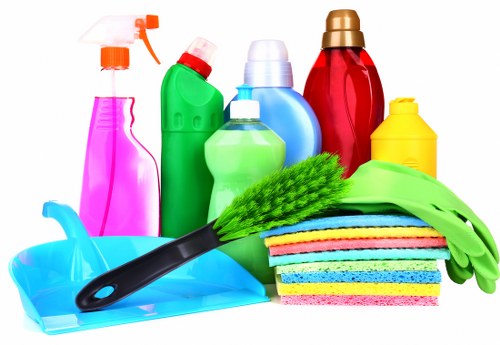
The ideal frequency for oven cleaning depends on how often you cook and what types of dishes you prepare. For households that use the oven daily, a light wipe-down once a week and a deeper clean once every one to three months is often helpful. If you cook occasionally, you may be able to stretch the interval slightly, but waiting too long usually makes the job harder.
Cooking high-fat foods, baking with sugary fillings, and roasting dishes that bubble over can all increase the need for frequent cleaning. Even if your oven looks fine from the outside, hidden buildup may still be present on the door, racks, fan cover, and corners. A simple maintenance schedule keeps the appliance cleaner and prevents residue from becoming baked on.
One useful approach is to combine routine wiping with deeper seasonal cleaning. After messy cooking sessions, allow the oven to cool and wipe up spills before they harden. Then set aside time for a more thorough clean when the oven is cool and unused. This system reduces the effort required later and helps maintain a fresh kitchen environment.
Quick Maintenance Tip
Place a baking sheet or heat-safe liner below dishes that are likely to drip. This does not replace oven cleaning, but it can greatly reduce the amount of residue that reaches the base of the appliance.
Safe and Effective Oven Cleaning Methods

There are several ways to approach oven cleaning in a safe and practical manner. The best method depends on the condition of the oven and the materials inside it. While some people prefer commercial cleaning products, others use natural solutions like baking soda and vinegar. Both approaches can work well when used correctly.
Before starting any cleaning process, always check the manufacturer’s instructions for your appliance. Different ovens have different finishes, and some self-cleaning models require special care. A method that works for one oven may not be suitable for another, especially if there are coated surfaces or delicate glass panels involved.
Here are the most common methods used for oven cleaning:
- Manual cleaning with a degreaser, sponge, and scraper for stubborn spots
- Baking soda paste for lifting grease and breaking down burnt residue
- Vinegar spray to help remove loosened grime and neutralize odors
- Self-cleaning cycle on compatible ovens, which uses high heat to burn off deposits
- Professional oven cleaning for heavily soiled or hard-to-reach areas
Each method has strengths. For example, baking soda is gentle and effective for routine work, while a commercial cleaner may be better for deep-seated grease. The key is to match the method to the level of mess and to avoid damaging surfaces by using overly abrasive tools.
What to Avoid During Oven Cleaning
- Do not use steel wool on delicate interior coatings
- Avoid spraying cleaner onto heating elements unless the product instructions allow it
- Do not mix chemicals such as bleach and ammonia
- Never clean a hot oven unless the product is specifically designed for that purpose
Step-by-Step Oven Cleaning Process
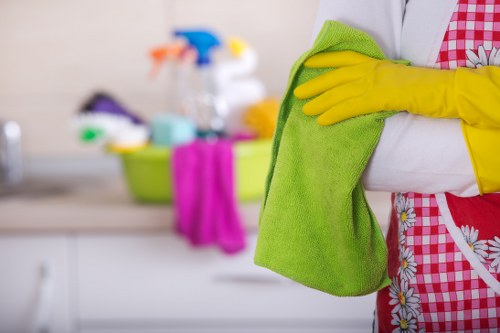
For the best results, a structured process works better than random scrubbing. A step-by-step method ensures that every part of the oven receives attention. It also reduces the risk of streaks, residue, or missed spots. If you want to make oven cleaning easier, follow a routine that is simple, logical, and thorough.
Step 1: Turn off the oven and allow it to cool completely. Safety always comes first. Cleaning a warm oven can lead to burns and may also cause cleaning products to evaporate too quickly.
Step 2: Remove racks, trays, and loose accessories. These can be cleaned separately in the sink or bathtub, depending on size and material. Removing them also gives you better access to the interior surfaces.
Step 3: Sweep out loose crumbs and debris. Use a soft brush, cloth, or handheld vacuum to remove particles before applying any liquid solution.
Step 4: Apply your chosen cleaner. If using baking soda paste, spread it over greasy surfaces and let it sit for several hours or overnight. If using a commercial product, follow the recommended dwell time carefully.
Step 5: Wipe and scrub gently. Use a non-abrasive sponge or microfiber cloth to lift softened grime. For stubborn areas, use a plastic scraper or a gentle scrub pad.
Step 6: Clean the glass door. The oven window often collects grease and fingerprints. A vinegar solution or glass-safe product can restore clarity without streaking.
Step 7: Rinse and dry thoroughly. Remove all residue with a damp cloth, then dry the oven completely before using it again.
Extra Detail for Better Results
If the odor of cleaning products remains, leave the oven door open briefly to air it out. This helps prevent chemical smell from transferring to food during the next cooking cycle.
Cleaning Different Parts of the Oven

A full oven cleaning routine should address every area of the appliance, not just the interior walls. Grease can hide in corners, under racks, around hinges, and along the door seal. Paying attention to each component improves hygiene and makes the oven look newer for longer.
Oven Racks
Racks often gather baked-on grease and dark residue. Soaking them in warm, soapy water can loosen buildup before scrubbing. For heavier grime, a baking soda paste or a non-toxic degreaser may help. Rinse thoroughly and dry fully before reinstalling them.
Oven Door and Glass
The door is one of the most visible parts of the oven and often one of the dirtiest. Smudges, grease, and baked-on splatter can reduce visibility and create a dull look. A gentle cleaner and microfiber cloth usually work well. If the glass has deep stains, let a cleaner sit longer before wiping.
Interior Walls and Ceiling
These are the areas where residue tends to build up most quickly. Use a careful combination of soaking time and wiping rather than forceful scrubbing. This protects the finish and makes the process more effective.
Hinges, Seals, and Edges
These smaller areas are easy to overlook, yet they matter. Food particles and grease can accumulate around the edges of the oven door or between seals. Use a soft cloth or cotton swab to reach tight spaces without damaging the parts.
Natural vs Commercial Oven Cleaning Solutions
Many homeowners wonder whether natural cleaning methods are enough or if stronger products are needed. The answer depends on the amount of buildup and your preference for ingredients. For regular upkeep, natural solutions can be highly effective. For severe grease accumulation, a stronger product or professional service may be more efficient.
Natural Options
Baking soda is one of the most popular choices for oven cleaning. It helps break down residue and has a mild abrasive quality without scratching most surfaces. Vinegar can be used after baking soda to help lift remaining grime and reduce odors. Lemon juice is another useful option because it leaves a fresh scent and can cut through light grease.
Commercial Cleaners
Commercial oven cleaners are formulated to dissolve tough grease quickly. They can be very effective, especially on ovens that have not been cleaned in a long time. However, they should always be used with proper ventilation, gloves, and care. Some products contain strong chemicals that must not come into contact with certain finishes or components.
Which One Is Better?
There is no single answer. If your oven receives regular attention, natural cleaning may be enough. If you are dealing with heavy burnt-on residue, a commercial cleaner may save time. The most practical strategy is often a combination of both: gentle maintenance most of the time and stronger treatment when necessary.
Practical Comparison
- Natural methods: safer, milder, more eco-friendly
- Commercial methods: faster on stubborn grease, stronger odor, more precautions required
- Professional cleaning: ideal for deep buildup, convenience, and detailed work
The Benefits of Professional Oven Cleaning
While many people handle their own oven cleaning, professional services offer clear advantages. If the appliance has a thick buildup of grease, strong odors, or areas that are difficult to reach, a trained cleaner can restore it more efficiently. Professional cleaning also saves time and reduces the need for harsh scrubbing.
Professionals use specialized tools and products designed to break down residue safely. They can often reach hidden corners, remove racks for deep cleaning, and deal with stains that have been baked in over time. This level of detail can improve oven performance and extend the life of the appliance.
Another benefit is convenience. Busy households, restaurants, landlords, and rental property owners often need a fast and reliable solution. Instead of spending hours on a difficult job, they can rely on an expert to handle the work thoroughly. If your oven has not been cleaned in a long time or is giving off smoke during use, professional help may be the smartest choice.
When to Consider Professional Help
- The oven emits smoke even after basic wiping
- There is heavy blackened buildup throughout the interior
- You need the oven ready quickly for cooking or a property handover
- You want a deeper result without spending your own time scrubbing
If you want a cleaner kitchen and better appliance performance, contact us today to explore your options and book your service now.
How Oven Cleaning Improves Cooking Results
A clean oven can have a surprisingly positive effect on the food you prepare. When residue is removed, heat can move more evenly through the oven cavity. That means cakes rise more consistently, roasts cook more predictably, and baked dishes are less likely to absorb stale odors. In other words, oven cleaning is part of better cooking, not just better maintenance.
Dirty ovens can cause hot spots, smoke, and unpleasant flavor transfer. For example, old grease can burn during preheating and create an acrid smell that affects food. Similarly, thick buildup near the heating source may interfere with airflow or temperature balance. A cleaner oven helps reduce these issues and creates a more dependable cooking environment.
For anyone who bakes often, even small improvements matter. Better temperature control can mean improved texture, improved color, and more consistent results from recipe to recipe. If your oven is an important part of daily meal preparation, cleaning it regularly supports better performance in a very practical way.
Useful Kitchen Habit
Wipe down spills as soon as the oven is safe to touch. Quick action prevents food from hardening and makes the next full cleaning much easier.
Oven Cleaning Tips for Busy Households
Not everyone has time for lengthy maintenance sessions. Fortunately, simple habits can keep the oven in good condition without creating extra work. The goal is to make oven cleaning feel manageable rather than overwhelming.
Start by assigning a quick monthly check to inspect the oven door, racks, and base. If you notice a spill, address it right away. Keep a microfiber cloth and a gentle cleaner nearby so the task does not become a major event. Small actions taken regularly are often more effective than waiting for a deep clean to become unavoidable.
Another helpful strategy is to clean the oven after major cooking events, such as holiday meals or large family dinners. These are the times when spills are more likely to occur. Handling them soon after use means less staining, less odor, and less effort later. In a busy household, practical habits matter just as much as strong cleaning products.
Time-Saving Checklist
- Inspect the oven after cooking messy dishes
- Use liners or trays to catch drips
- Wipe cooled surfaces before buildup hardens
- Schedule deeper cleaning at regular intervals
Maintaining a Fresh and Hygienic Kitchen
Oven cleaning contributes to the overall cleanliness of your kitchen. Since ovens are central to cooking, they can influence the way the whole room smells and feels. A fresh oven helps the kitchen feel more inviting and reduces the chance of lingering smoke or grease odors spreading to other surfaces.
Clean appliances also support better hygiene. Food residue left inside the oven can attract bacteria or pests, especially in warm, humid conditions. By keeping the oven clean, you reduce the presence of unwanted contaminants and improve the overall safety of the cooking area. This is especially important in homes where food is prepared daily or where children and elderly family members are regularly present.
In a well-maintained kitchen, oven care is part of a larger routine that includes wiping counters, cleaning stovetops, and keeping floors free of crumbs. When all of these habits work together, the kitchen becomes a more pleasant, efficient, and sanitary place to spend time.
Oven cleaning may not be the most glamorous household task, but it is one of the most valuable. Whether you prefer natural methods, stronger degreasers, or expert help, staying consistent will always deliver better results than waiting too long. If your oven needs attention now, take the next step and book your service now to restore cleanliness, performance, and peace of mind.
Final Thoughts on Oven Cleaning
Regular oven cleaning is one of the simplest ways to protect your appliance, improve cooking quality, and maintain a healthier kitchen. It removes burnt residue, eliminates odors, prevents smoke, and helps your oven perform as it should. With a practical schedule and the right methods, the task becomes much easier to manage.
Whether you handle the work yourself or choose professional support, the key is consistency. A little effort now can prevent major buildup later, saving time and reducing stress. If your appliance has not been cleaned in a while, now is the perfect moment to take action and enjoy the benefits of a cleaner, fresher, and more efficient oven.
Contact us today if you are ready for a cleaner kitchen environment and want to make oven maintenance easier moving forward.