Domestic Cleaning: Creating a Healthier, Fresher, and More Comfortable Home
Domestic cleaning plays a central role in maintaining a pleasant home environment, supporting better hygiene, reducing stress, and helping every room look and feel its best. Whether you live in a small apartment or a large family house, regular domestic cleaning helps manage dust, clutter, grime, and bacteria before they become bigger problems. A clean home is not only more inviting, but it also contributes to better indoor air quality, improved organization, and a stronger sense of well-being.
Many households today are balancing work, family responsibilities, and personal commitments, which makes domestic cleaning feel overwhelming at times. That is why having a practical routine, the right cleaning methods, and a clear understanding of what needs attention can make all the difference. From kitchen surfaces to bathroom sanitation, domestic cleaning is about more than appearance; it is about creating a safe and comfortable living space.
In this article, we will look at the value of domestic cleaning, the key tasks involved, and how consistent routines can improve everyday living. You will also find useful tips, room-by-room insights, and simple ways to keep your home fresh with less effort.
Why Domestic Cleaning Matters for Every Home
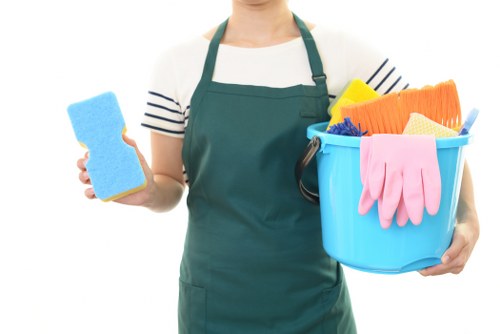
Domestic cleaning is essential because homes naturally collect dust, dirt, allergens, food residue, and everyday clutter. Even when a property looks tidy on the surface, hidden grime can build up in corners, under furniture, and around high-touch areas such as light switches and door handles. Regular domestic cleaning helps prevent this buildup and keeps the home environment healthier for everyone inside.
Another major benefit of domestic cleaning is the impact it has on mental clarity. A clean and organized room often feels calmer, more manageable, and easier to enjoy. Many people find that domestic cleaning reduces feelings of stress and creates a stronger sense of control over their surroundings. This is especially valuable in busy households where daily routines can quickly become hectic.
Clean homes also make a better impression on guests and support higher standards of comfort for family members. From polished floors to sanitized counters, domestic cleaning contributes to a space that feels cared for. Regular cleaning is not just a chore; it is an investment in the comfort, hygiene, and longevity of your home.
Core Areas of Domestic Cleaning
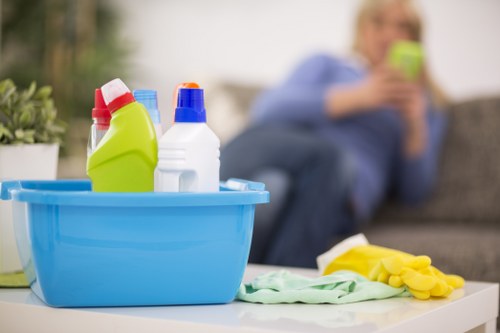
Domestic cleaning usually covers all the important spaces and surfaces in a home. While every property is different, most households benefit from cleaning tasks that focus on kitchens, bathrooms, bedrooms, living rooms, hallways, and entryways. Each area requires a slightly different approach, but the overall goal remains the same: keep the home clean, sanitary, and welcoming.
In the kitchen, domestic cleaning often includes wiping countertops, cleaning appliances, removing grease, disinfecting sinks, and sweeping or mopping floors. Because food preparation happens here, the kitchen needs extra attention. Bathroom cleaning is equally important, with tasks such as scrubbing toilets, cleaning showers, removing soap residue, and disinfecting taps and sinks.
Bedrooms and living spaces benefit from dusting, vacuuming, laundering bedding, and tidying surfaces. Hallways, stairs, and entry areas should not be overlooked either, because they often accumulate dirt from shoes and outdoor traffic. A well-rounded domestic cleaning routine addresses the entire home rather than focusing only on the rooms that are easiest to see.
How to Build an Effective Domestic Cleaning Routine
One of the smartest ways to stay on top of domestic cleaning is to follow a routine that matches your lifestyle. Some people prefer to clean a little every day, while others set aside specific times during the week for larger tasks. The best routine is the one you can maintain consistently without becoming overwhelmed.
A simple schedule often works best. For example, daily tasks might include wiping kitchen counters, washing dishes, sweeping high-traffic floors, and making beds. Weekly domestic cleaning might focus on mopping, vacuuming, bathroom sanitation, changing linens, and dusting furniture. Monthly or seasonal tasks can then cover windows, deep-cleaning appliances, and moving furniture to clean hidden areas.
To keep routines realistic, prioritize the spaces that affect daily comfort the most. The kitchen and bathroom usually deserve frequent attention, while storage areas and decorative spaces may need less regular care. When domestic cleaning is broken into manageable steps, it feels less like a burden and more like part of a healthy home rhythm.
Room-by-Room Domestic Cleaning Tips
Every room in a home has its own cleaning needs, and understanding these differences can make domestic cleaning more efficient. A room-by-room approach helps ensure that nothing is missed and that each space receives the right kind of attention.
Kitchen
The kitchen is often the busiest room in the house, which means it can get dirty quickly. Focus on wiping down surfaces after cooking, cleaning the sink daily, and removing crumbs from counters and floors. Appliance handles, cabinet fronts, and switches should also be cleaned regularly. For better kitchen hygiene, take out the trash often and clean the inside of the microwave, oven, and refrigerator on a regular basis.
Bathroom
Bathrooms need consistent domestic cleaning because moisture creates an ideal environment for grime and buildup. Clean sinks, toilets, showers, mirrors, and tile surfaces carefully. Ventilation is also important, as good airflow helps reduce mold and mildew. Using the right products for bathroom surfaces can make the cleaning process quicker and more effective.
Living Room
Living rooms collect dust, pet hair, fingerprints, and everyday clutter. Vacuum carpets, dust shelves, clean upholstery, and tidy away items that are out of place. If the room has soft furnishings, use appropriate methods to freshen fabrics and maintain a clean appearance. A well-kept living room can instantly improve the feel of the whole home.
Bedrooms
Bedrooms should feel restful and tidy. Regularly change bed linens, dust bedside tables, vacuum floors, and organize clothing or accessories. Keeping this space simple and uncluttered supports better rest and reduces the amount of dust that accumulates. Domestic cleaning in bedrooms is often easier when storage systems are practical and easy to use.
Hallways and Entryways
These are high-traffic areas that often collect dirt faster than any other part of the home. Sweep, vacuum, and wipe surfaces frequently to keep them looking neat. Placing mats near doors can also reduce the amount of outdoor debris that gets tracked inside.
Deep Domestic Cleaning vs Regular Cleaning

Domestic cleaning can be divided into two broad categories: regular cleaning and deep cleaning. Understanding the difference helps homeowners decide what needs to be done and when. Regular cleaning focuses on everyday maintenance, while deep cleaning reaches the harder-to-access areas that are often missed during routine tasks.
Regular cleaning is what keeps a home functional and presentable from day to day. It usually includes sweeping, vacuuming, wiping surfaces, washing dishes, and maintaining bathrooms and kitchens. Deep domestic cleaning goes further by addressing areas such as behind appliances, inside cabinets, under furniture, skirting boards, and high shelves. It may also include detailed fabric care, limescale removal, and thorough stain treatment.
Both types of domestic cleaning are important. Regular cleaning helps prevent buildup, while deep cleaning restores freshness and supports a higher level of hygiene. Many households find it useful to combine both by maintaining a daily and weekly routine, then scheduling deep cleaning at monthly or seasonal intervals.
Benefits of Professional Domestic Cleaning Services
Although many homeowners handle cleaning themselves, professional domestic cleaning services can offer major advantages. These services are especially useful for busy families, elderly residents, people recovering from illness, or anyone who wants a consistently high standard of cleanliness without sacrificing valuable time.
Professionals bring experience, efficient techniques, and the right equipment for different surfaces and materials. They often clean more thoroughly and systematically than a rushed household routine can manage. This can be particularly helpful for deep domestic cleaning, end-of-tenancy situations, post-renovation cleanup, or properties that need extra care due to pets or heavy foot traffic.
Another benefit is flexibility. A domestic cleaning service can be arranged weekly, fortnightly, monthly, or as needed. This makes it easier to keep the home in excellent condition while still managing a busy schedule. If you want a cleaner home with less stress, domestic cleaning support can be a practical solution.
Choosing the Right Cleaning Products and Tools
Using the right products is a major part of effective domestic cleaning. Not every surface needs the same cleaner, and using the wrong one can damage materials or reduce cleaning results. For example, delicate finishes may require gentle, non-abrasive products, while kitchen grease may call for stronger degreasers.
Common domestic cleaning tools include microfiber cloths, sponges, mop systems, vacuum cleaners, brushes, disinfectants, and specialty products for glass, wood, stainless steel, or fabric. Microfiber cloths are especially useful because they trap dust and dirt effectively without spreading it around. A quality vacuum is also important for carpets, rugs, and upholstery.
When choosing products, always check labels and use them as directed. Look for items that match your home’s surfaces and your cleaning priorities. Many people prefer to keep a small but well-chosen set of supplies rather than collecting too many products they never use. This approach makes domestic cleaning faster, easier, and more organized.
Eco-Friendly Domestic Cleaning Practices
Eco-friendly domestic cleaning has become increasingly popular because many households want effective results without unnecessary chemical exposure. Environmentally conscious cleaning methods can help reduce waste, limit harsh odors, and create a safer home for children, pets, and sensitive individuals.
Simple changes can make a big difference. Choosing refillable containers, concentrated products, or biodegradable formulas is one option. Vinegar, baking soda, and lemon are often used for certain household tasks, though they should be applied carefully and only where appropriate. Reusable cloths and mop heads can also reduce waste compared with disposable alternatives.
In addition to product choices, eco-friendly domestic cleaning can include more efficient habits. Using only the amount of cleaner you need, washing laundry at appropriate temperatures, and maintaining appliances to improve energy efficiency are all helpful. These small actions support a cleaner home and a lighter environmental footprint at the same time.
Common Domestic Cleaning Challenges and How to Handle Them
Even with good intentions, many households face obstacles when it comes to domestic cleaning. Time pressure, clutter, stubborn stains, hard water marks, pet hair, and inconsistent routines can all make cleaning feel more difficult than it should be. The good news is that these challenges are manageable with a smart approach.
For time pressure, breaking tasks into short sessions can help. Ten minutes of focused domestic cleaning can often achieve more than a long session that is delayed or avoided. When clutter is the problem, start by clearing surfaces before cleaning them. It is much easier to dust or wipe a surface once it is free of unnecessary items.
For stubborn grime, use the right product and allow it time to work before scrubbing. For pet hair, vacuum attachments and lint tools can be especially useful. If cleaning feels overwhelming, begin with the area that affects you most, then move outward. Progress matters more than perfection.
How Domestic Cleaning Supports Health and Well-Being
Domestic cleaning has a direct impact on health and well-being. Dust, mold, food residue, and bacteria can contribute to poor indoor conditions if left unchecked. Regular cleaning helps reduce exposure to these irritants, which is especially helpful for people with allergies, asthma, or respiratory sensitivities.
A cleaner home can also support healthier habits overall. When your surroundings are organized and fresh, it is easier to cook, rest, work, and move through the day without distraction. This sense of order can improve mood and create a more pleasant environment for everyone in the household. Domestic cleaning may seem like a simple task, but its influence on daily life is significant.
For families with children, domestic cleaning also plays a role in creating safer spaces for play and development. Clean floors, sanitized surfaces, and tidy rooms reduce the chances of accidental messes turning into bigger issues. In this way, domestic cleaning becomes part of a broader approach to home care and family well-being.
Practical Habits That Make Cleaning Easier
Small everyday habits can keep domestic cleaning under control and reduce the need for major catch-up sessions. These habits are easy to adopt and can make a real difference over time.
- Put items back in place after using them.
- Wipe spills immediately before they set.
- Do a quick evening reset in the kitchen and living room.
- Sort mail, papers, and miscellaneous items regularly.
- Vacuum or sweep high-traffic areas more often.
- Open windows when possible to encourage fresh air circulation.
These small routines reduce buildup and help domestic cleaning feel more manageable. When daily habits support your cleaning schedule, the whole home stays in better condition with less effort.
Seasonal Domestic Cleaning and Home Maintenance
Seasonal cleaning is an important part of long-term home care. Different times of the year bring different cleaning needs, from spring dusting to winter preparation. A seasonal domestic cleaning plan helps address tasks that do not need attention every week but still matter for cleanliness and comfort.
Spring cleaning often includes opening windows, washing curtains, deep-cleaning carpets, and refreshing storage spaces. Summer cleaning may focus on airflow, entryway dirt, and outdoor-related mess. In autumn, it can be helpful to prepare for mud, wet shoes, and increased indoor activity. Winter cleaning often centers on keeping floors, soft furnishings, and high-use areas tidy during longer periods spent indoors.
Seasonal domestic cleaning also supports maintenance. By paying attention to hidden areas and neglected corners a few times a year, you can preserve surfaces and reduce the chance of long-term wear. This is especially helpful for flooring, upholstery, appliances, and storage areas.
Creating a Home That Feels Clean Every Day
Ultimately, domestic cleaning is about more than ticking tasks off a list. It is about creating a home that feels comfortable, functional, and pleasant to live in. A clean home does not need to look perfect all the time. What matters most is that it stays healthy, organized, and easy to enjoy.
By combining regular cleaning, targeted deep cleaning, and practical daily habits, you can maintain a home that works better for your lifestyle. Whether you do the work yourself or use professional support, consistent domestic cleaning makes everyday living smoother and more enjoyable. It helps protect your home, support your well-being, and reduce stress in the long run.
If your home needs a refresh, start with one room, one routine, or one habit today. Contact us today to explore a cleaner, more comfortable home environment, or book your service now if you want professional support that fits your schedule. With the right domestic cleaning approach, a fresher home is always within reach.