Upholstery Cleaning in Modern Homes: Freshness, Comfort, and Lasting Fabric Care
Upholstery cleaning in modern homes is about much more than making a sofa look nice for guests. It plays a major role in maintaining a healthier indoor environment, preserving the life of furniture, and keeping everyday living spaces inviting. From family room sectionals and dining chairs to office reception seating and decorative accent pieces, upholstery accumulates dust, oils, food particles, pollen, pet dander, and everyday grime faster than many people realize. Over time, this buildup can affect both the appearance and the comfort of your furniture.
When people search for upholstery cleaning in their area, they are often looking for a service that can restore fabric, remove stubborn spots, and refresh furniture without damaging delicate materials. That is exactly why understanding the process matters. The right upholstery cleaning method can bring visible improvement, reduce lingering odors, and help extend the usable life of your furniture investment.
In this article, we will explore why upholstery cleaning in homes and businesses is so important, how the cleaning process works, which fabrics need special care, and what to expect from professional service. Whether you are dealing with a beloved sofa, a heavily used loveseat, or office chairs that see constant traffic, the right approach can make a noticeable difference.
Why Upholstery Cleaning in Everyday Spaces Matters

Upholstery cleaning in high-use areas is essential because fabric surfaces trap more than visible dirt. They also hold invisible contaminants that can contribute to stale odors and a less hygienic room. Unlike hard surfaces, upholstered furniture has fibers, seams, stitching, and padding that can collect particles deep inside the material. Regular vacuuming helps, but it does not fully remove embedded buildup.
For households with children or pets, upholstery cleaning becomes even more valuable. Spills happen, pet hair collects quickly, and accidental marks can settle into the fibers if not addressed properly. A routine cleaning schedule can help reduce the chance that everyday messes become permanent stains. It also supports a fresher environment for family members and visitors.
In commercial settings, upholstery cleaning in waiting rooms, offices, and hospitality spaces contributes to a polished and professional image. Clean seating helps create a positive first impression and supports better comfort for guests and employees. Well-maintained upholstery reflects attention to detail and consistent property care.
Common Problems Upholstery Cleaning Can Address
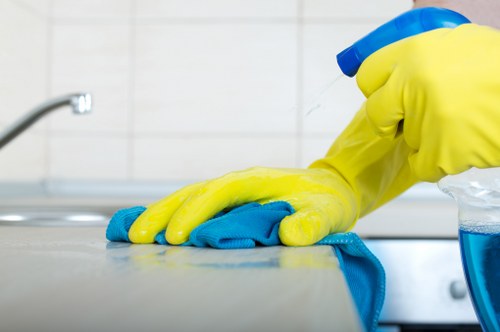
Many people think upholstery cleaning is only for visible stains, but it handles a broader range of issues. Fabric furniture is exposed to many forms of buildup, and professional or thorough at-home cleaning can improve both the look and the feel of your furniture. Some of the most common concerns include:
- Food and drink spills that leave marks or sticky residue
- Pet hair, dander, and odors
- Dust, pollen, and general household debris
- Body oils and sweat from frequent use
- Smoke residue and stale indoor smells
- Ink, makeup, and other tricky spot stains
- Fading caused by dirt abrasion and accumulated grime
Odor removal is another major benefit. Fabrics naturally absorb smells from cooking, pets, dampness, and daily use. Upholstery cleaning in a careful, targeted way can help neutralize those odors rather than simply masking them. That creates a more pleasant living space overall.
It is also worth noting that repeated soil buildup can make furniture feel rough, dull, or worn out before its time. Cleaning helps restore softness and vibrancy, which is especially important for valuable or sentimental pieces.
Understanding Different Upholstery Materials

One of the most important parts of upholstery cleaning in any setting is identifying the fabric type first. Not every material responds to moisture, heat, or cleaning solutions in the same way. Choosing the wrong method can lead to shrinking, color bleeding, water rings, or weakened fibers. That is why fabric identification is a crucial first step.
Common upholstery materials include cotton, linen, microfiber, velvet, leather, wool blends, polyester, acrylic, and performance fabrics. Each one has its own cleaning considerations. For example, microfiber often responds well to targeted cleaning and quick drying, while velvet may require more delicate handling to protect its texture and sheen.
To better understand your furniture, check the manufacturer’s cleaning code if available. These codes often indicate whether the fabric should be cleaned with water-based solutions, solvent-based products, or only professional methods. If no label is present, a cautious approach is best. Testing a small hidden section first is always wise.
For stain-prone fabrics, spot treatment should be done carefully rather than aggressively. Rubbing too hard can push the stain deeper or distort the pile. A gentle, informed approach generally produces better results and preserves the appearance of the material.
How Professional Upholstery Cleaning in Practice Works
Step 1: Inspection and fabric assessment
The process usually begins with a close inspection. A technician evaluates the fabric type, visible stains, odor issues, wear patterns, and any areas that need extra attention. This helps determine the safest and most effective cleaning method.
Step 2: Dry soil removal often follows. Vacuuming with specialized attachments removes loose dust, crumbs, pet hair, and surface debris. This step matters because removing dry particles first prevents them from turning into mud during wet cleaning.
Step 3: Pre-treatment is used for spots, grease, or heavy traffic areas. A suitable cleaning solution is applied to loosen embedded grime before the main cleaning stage. Depending on the fabric, this may involve a low-moisture formula or another gentle treatment.
Step 4: Deep cleaning may involve hot water extraction, encapsulation, foam cleaning, or solvent-based methods. The chosen process depends on the fabric and the level of soiling. The goal is to lift dirt from the fibers while protecting the upholstery’s structure.
Step 5: Final grooming and drying help restore the fabric’s appearance. Fibers may be brushed or aligned, and airflow is often used to support faster drying. Proper drying reduces the risk of musty odors and helps furniture return to regular use sooner.
DIY vs Professional Upholstery Cleaning in the Real World
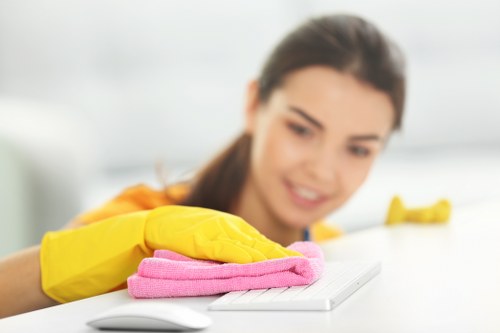
Many homeowners consider doing upholstery cleaning on their own. That can work for minor upkeep, quick spills, or light dust removal. However, there are limits to what household tools and products can safely accomplish. Store-bought cleaners may be too harsh, too wet, or unsuitable for certain materials.
DIY upholstery cleaning may be appropriate when:
- You need routine vacuuming and light maintenance
- The fabric label allows simple water-based cleaning
- The stain is small and fresh
- You are testing a gentle spot treatment on an inconspicuous area
Professional upholstery cleaning in comparison is better when the furniture is heavily used, the stains are deep, or the fabric is delicate. Experts bring specialized equipment, knowledge of fiber behavior, and access to methods that can clean more thoroughly while reducing the risk of damage. They also know how to handle challenging issues like odor, old spill marks, and pet contamination.
In many cases, a combination of both approaches works best. Regular home maintenance keeps furniture looking better between professional services, while deep cleaning provides the reset that everyday vacuuming cannot achieve.
Benefits of Regular Upholstery Cleaning in Homes and Businesses
Better appearance and longer fabric life
One of the most obvious benefits of upholstery cleaning in any setting is improved appearance. Clean fabric looks brighter, feels softer, and contributes to a more welcoming room. Dirt and grime can make even expensive furniture appear aged, so cleaning is a smart way to protect your investment.
Extended furniture lifespan is another important advantage. Dirt particles can act like tiny abrasives, wearing down fibers over time. By removing them regularly, you help reduce premature deterioration and keep upholstery in better condition for longer.
Improved indoor freshness also matters. Upholstered furniture can hold odors that affect the overall atmosphere of a room. When fabrics are cleaned correctly, the entire space often feels lighter, cleaner, and more comfortable.
There are also practical benefits for allergy-conscious households. While upholstery cleaning is not a medical treatment, reducing dust, dander, and pollen from soft surfaces can support a cleaner-feeling environment. That is especially helpful in rooms where family members relax for long periods.
For business owners, regular upholstery cleaning in waiting areas, lounges, and conference rooms can help present a more professional image and make seating more pleasant for clients and staff alike.
Stain Removal Tips and Smart Fabric Care

Stain removal is one of the most searched reasons people look into upholstery cleaning in the first place. The faster you respond to a spill, the better your chances of minimizing permanent damage. Still, the key is to act quickly without making the stain worse.
Here are a few smart stain-handling practices:
- Blot the spill gently with a clean cloth instead of rubbing.
- Work from the outer edge of the stain toward the center.
- Use only cleaning products appropriate for the fabric type.
- Avoid soaking the material, especially if padding can absorb excess moisture.
- Allow the area to dry thoroughly after treatment.
Different stains require different strategies. For example, grease stains often need a treatment that can break down oils, while water-based spills may respond to simple moisture control and gentle lifting. Ink, makeup, and dyed liquids can be more stubborn and may require professional attention.
Fabric protection can also be useful after cleaning. Some furniture pieces benefit from stain guards or similar treatments that help repel future spills. While not a substitute for good care, these products can make maintenance easier and give you extra time to respond to accidents.
How Often Should Upholstery Cleaning in a Home Be Done?
Factors that influence cleaning frequency
There is no single schedule that works for every home. The right frequency for upholstery cleaning in your space depends on how often the furniture is used, who lives in the home, and what kind of fabric is involved. A lightly used guest chair may need attention far less often than a family sofa used every day.
Consider cleaning more often if you have:
- Pets that shed or spend time on the furniture
- Children who snack or play on upholstered surfaces
- Allergy concerns in the household
- High-traffic living areas
- Light-colored fabrics that show dirt easily
A practical rule is to vacuum upholstered furniture weekly and schedule deeper upholstery cleaning periodically based on need. For many homes, that may mean once or twice a year. For busy households or commercial environments, more frequent service may be appropriate.
Condition matters more than the calendar. If a sofa starts looking dull, smelling stale, or showing obvious soil, it is time to clean regardless of when it was last serviced. Staying proactive helps prevent buildup from becoming harder to remove.
Signs Your Furniture Needs Upholstery Cleaning in Soon
Sometimes furniture does not look dirty at first glance, but there are subtle signs that it needs attention. Knowing what to watch for can help you act before buildup becomes difficult to manage.
Common warning signs include:
- Visible discoloration in seating areas and armrests
- Persistent odors even after airing out the room
- Rough or sticky-feeling fabric
- Dust puffing out when the furniture is used
- Noticeable pet hair trapped in seams and corners
- Old spill marks that keep returning after spot cleaning
If you notice these issues, deep upholstery cleaning may be the right next step. Addressing the problem early can reduce wear and keep the furniture looking attractive longer.
In some cases, upholstery may also need cleaning after a renovation, household illness, or seasonal change when dust and debris increase. The goal is not just appearance, but a cleaner and more comfortable living space overall.
Choosing the Right Approach for Upholstery Cleaning in Different Spaces
Homes, rentals, offices, and hospitality settings
Upholstery cleaning in a private home often focuses on comfort, stain removal, and odor control. In rental properties, the goal may include refreshing furniture between occupants and maintaining a clean appearance for showings. Offices may prioritize a professional image, while hospitality spaces often require frequent upkeep to remain guest-ready.
Each space has different priorities, which means the cleaning approach should be adjusted accordingly. A family room sectional may need odor reduction and pet hair removal, while a reception chair may need a quick but effective refresh to keep a polished appearance.
Choosing the right method also depends on how delicate the piece is and how much downtime is acceptable. Some cleaning methods dry faster and are better suited to busy environments, while others provide deeper extraction and may be ideal for heavily soiled furniture.
When selecting an upholstery cleaning solution, focus on three factors: fabric safety, effectiveness, and drying time. Balancing those elements helps produce the best possible result with minimal disruption.
Practical Maintenance Tips Between Upholstery Cleaning Sessions
Keeping upholstery in better condition between professional visits is easier than many people think. A few simple habits can make a major difference over time.
- Vacuum upholstery regularly using a soft brush attachment
- Rotate cushions to distribute wear evenly
- Address spills immediately before they set
- Avoid eating or drinking on high-risk fabrics when possible
- Keep pets groomed to reduce hair and dander buildup
- Use throw blankets or covers in especially active areas
Small habits add up. They help preserve the freshness of your furniture and reduce the effort needed during deep cleaning. They also protect delicate upholstery from unnecessary stress.
It is a good idea to check seams, creases, and hidden areas occasionally. Dirt often accumulates in places that are easy to miss, and early detection can prevent bigger issues later.
Why Upholstery Cleaning in Should Be Part of Routine Property Care
Even though upholstery can seem like a background feature in a room, it has a major influence on comfort, cleanliness, and overall presentation. Routine upholstery cleaning in both residential and commercial spaces is a practical part of property care because it supports hygiene, maintains appearance, and helps furniture last longer.
Clean upholstery contributes to a better environment in ways that are both visible and subtle. Guests notice a fresh-looking sofa. Family members enjoy a more comfortable place to relax. Employees and clients appreciate clean seating. Over time, those details create a stronger overall impression.
If you have been waiting until furniture looks obviously dirty, it may already be overdue for service. A proactive cleaning schedule is usually more cost-effective than waiting until stains, odors, and wear become difficult to correct.
For anyone hoping to keep furniture looking attractive and feeling comfortable, regular upholstery cleaning in the right manner is a smart investment. It protects fabric, supports freshness, and helps everyday spaces feel more inviting.
Make your next step count
If your furniture is starting to look tired or hold onto odors, now is the perfect time to act. Contact us today to refresh your upholstery and restore a cleaner, more comfortable space. Book your service now and give your furniture the care it deserves.
Extra reasons to stay consistent
Regular care can reduce the need for emergency stain treatment, support a more polished interior, and make each room feel more livable. That is why upholstery cleaning in homes and workspaces should never be treated as an afterthought.
A final thought on lasting results
The best results come from combining thoughtful everyday maintenance with periodic deep cleaning. When done properly, upholstery cleaning in your space will not only improve appearance but also protect the value and comfort of your furniture for the long term.