Deep Cleaning in Modern Homes and Workspaces: A Practical Approach to a Fresher, Healthier Environment
What Deep Cleaning Really Means
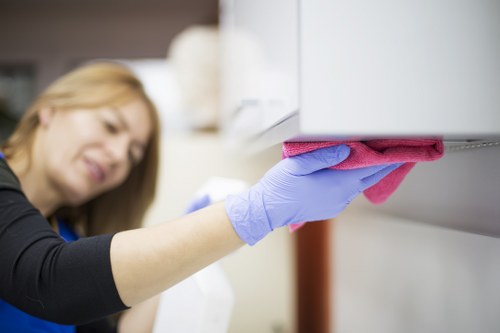
Deep cleaning goes beyond everyday tidying and regular surface wipe-downs. It focuses on the hidden buildup that often gets missed during routine cleaning, including grime behind appliances, dust in corners, soap scum in bathrooms, and debris inside vents, fixtures, and trim.
Many people think a home or office is clean because floors look neat and countertops are clear. However, deep cleaning addresses the layers of dirt that accumulate over time. This is why deep cleaning is often associated with a noticeable transformation in appearance, smell, and overall comfort.
For households and businesses alike, deep cleaning supports better hygiene, improves indoor air quality, and creates a more welcoming atmosphere. It can be especially useful before special events, after renovations, during seasonal changes, or whenever a space starts to feel stale or neglected.
Why Deep Cleaning Matters for Health and Comfort
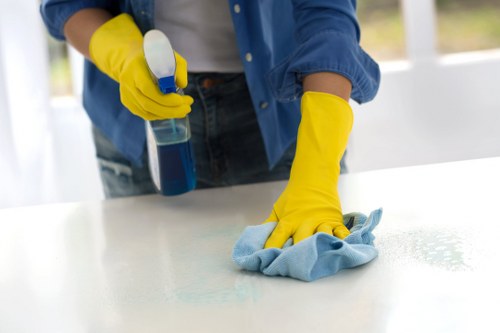
The value of deep cleaning is not just visual. Dust, allergens, grease, bacteria, and mold-friendly moisture can collect in areas that are not handled during daily maintenance. Over time, these contaminants may contribute to discomfort, odors, and a less healthy environment.
In homes, deep cleaning services can help reduce common irritants such as pet dander, pollen, and dust mites. In workspaces, they can support a more polished professional image and promote a cleaner shared environment for staff and visitors.
Deep cleaning also helps protect surfaces and fixtures. When dirt, soap residue, and grease are allowed to build up, they can cause premature wear or staining. Regular attention to these areas can extend the life of flooring, upholstery, tile, and appliances.
How Deep Cleaning Differs from Routine Cleaning

Routine cleaning focuses on maintaining order: sweeping, wiping, vacuuming, and sanitizing visible surfaces. Deep cleaning, by contrast, involves more detail and effort. It targets hard-to-reach locations and neglected areas that are usually skipped during normal upkeep.
Examples include scrubbing grout, cleaning baseboards, removing limescale from fixtures, washing interior windows, disinfecting switches and handles, and moving furniture to clean underneath. These tasks take more time, but the results are far more thorough than standard cleaning.
Another major difference is preparation. A deep cleaning process often begins with decluttering, followed by targeted treatment of each room. This method allows cleaners to work systematically and ensures that no major area is overlooked.
Common Areas Targeted During Deep Cleaning
Deep cleaning usually covers spaces and surfaces that receive the most buildup. These areas may vary depending on the property, but several zones are commonly prioritized:
- Kitchens, including ovens, stovetops, cabinets, sinks, and backsplashes
- Bathrooms, including showers, tubs, toilets, tile, grout, and vents
- Living rooms, including upholstery, rugs, baseboards, and window tracks
- Bedrooms, including under-bed spaces, closet shelves, and mattress surfaces
- Entryways and hallways, where dirt is frequently tracked in from outside
- Offices and shared work areas, including keyboards, desks, and high-touch points
Because these spaces are used frequently, they gather more residue and dust than many people realize. A thoughtful deep cleaning routine keeps these spots from becoming long-term problem areas.
Why High-Touch Surfaces Deserve Extra Attention
Door handles, light switches, railings, remote controls, and appliance knobs are touched repeatedly throughout the day. Deep cleaning of these surfaces helps reduce grime and supports a cleaner-feeling space overall.
The Best Times to Schedule Deep Cleaning

There is no single schedule for deep cleaning, but certain times make it especially valuable. Many people choose seasonal transitions, before guests arrive, after a party, before moving in, after moving out, or following home improvement projects.
Spring and autumn are popular because these seasons naturally encourage renewal and organization. A seasonal deep cleaning service can help reset a space after months of normal buildup and prepare it for the months ahead.
Another good time is when regular cleaning no longer seems enough. If surfaces still feel sticky, rooms smell musty, or dust keeps returning quickly, it may be time for a more detailed deep cleaning approach.
Signs It Is Time for a Deeper Clean
- Persistent odors that do not go away after routine cleaning
- Visible grime on baseboards, corners, or around fixtures
- Dust gathering soon after dusting
- Soap scum or mineral deposits in bathrooms
- Grease buildup in the kitchen
- Neglected areas under furniture or behind appliances
What a Professional Deep Cleaning Usually Includes
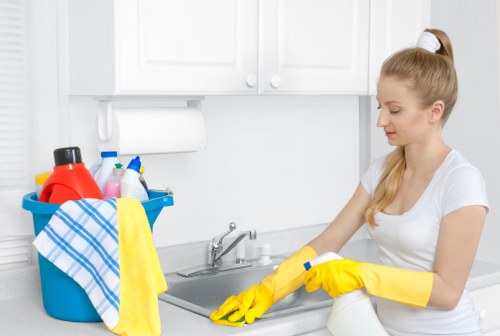
A professional deep cleaning session is usually much more detailed than a standard tidy-up. While packages may differ, many include scrubbing, sanitizing, dust removal, and careful attention to areas that are easy to ignore.
In kitchens, that may mean degreasing surfaces, cleaning cabinet fronts, wiping appliance exteriors, and focusing on sinks, faucets, and backsplash areas. In bathrooms, it may involve removing buildup from tile, shower doors, drains, toilets, and ventilation covers.
Bedrooms and living rooms often benefit from vacuuming upholstery, cleaning under beds and couches, dusting blinds, and refreshing hard-to-reach corners. An effective deep cleaning service does not simply move quickly through a checklist; it aims for visible and hidden improvement.
Typical Task Categories
- Dust removal: ceiling fans, vents, shelves, trim, and corners
- Scrubbing: sinks, tiles, tubs, counters, grout, and appliances
- Disinfecting: handles, switches, and other high-touch points
- Detail work: window tracks, baseboards, and behind furniture
- Floor care: vacuuming, mopping, and spot treatment
How to Prepare for a Deep Cleaning Appointment
Preparation helps make deep cleaning more efficient. The less time spent moving items or clearing obstacles, the more time can be devoted to actual cleaning work. A little organization before the appointment can make a meaningful difference.
Start by removing clutter from floors, countertops, and tabletops. Put away valuables, paperwork, and fragile items. If you are hiring a deep cleaning service, it can also help to note any priority areas that need special attention.
For best results, communicate about pets, access instructions, parking, and any surfaces that require gentle handling. The smoother the setup, the better the deep cleaning process can unfold.
Simple Prep Checklist
- Pick up loose items and store them in baskets or bins
- Clear sinks and counters in kitchens and bathrooms
- Move small furniture if you want cleaning beneath it
- Secure pets in a safe area
- Make a short list of priority rooms or problem spots
Deep Cleaning Techniques That Deliver Better Results
The most effective deep cleaning is organized, methodical, and tailored to the surfaces being treated. For example, porous materials such as grout and upholstery require different treatment than sealed stone or stainless steel.
One useful technique is cleaning from top to bottom. Start with ceiling fans, shelves, and vents, then work downward toward counters, furniture, and floors. This prevents dust from falling onto already-cleaned surfaces and saves time in the long run.
Another smart method is using the right product for the job. Harsh chemicals are not always necessary. In many cases, proper dwell time, microfiber cloths, and the right scrubbing tools are more important than aggressive products. A careful deep cleaning approach balances power with surface safety.
Room-by-Room Priorities
- Kitchen: degrease, sanitize, and clean appliance edges
- Bathroom: remove mineral buildup, mold-prone residue, and soap film
- Bedroom: refresh bedding areas and reduce dust collection points
- Living area: clean upholstery, trim, and under-furniture zones
- Office: sanitize desks, keyboards, chairs, and shared equipment
Deep Cleaning for Kitchens and Bathrooms
Kitchens and bathrooms are two of the most important spaces to address during deep cleaning because they are used constantly and prone to residue buildup. These rooms also influence how clean an entire property feels.
In kitchens, grease and food particles can settle in hard-to-see spots. Cleaning often needs to include behind and beneath appliances, inside cabinets, around range hoods, and along wall edges. A deep cleaning service can make these areas feel fresh again without disrupting the room’s layout.
Bathrooms require detailed attention because moisture encourages buildup. Scrubbing tile, polishing fixtures, treating grout, and ventilating the space properly all contribute to a better result. Deep cleaning in these areas can dramatically improve both appearance and hygiene.
Frequently Missed Kitchen and Bathroom Spots
- Behind the refrigerator and stove
- Inside cabinet hinges and drawer edges
- Toilet base and behind the toilet
- Shower corners, drains, and soap ledges
- Faucet bases and sink overflow areas
Office and Commercial Deep Cleaning Benefits
Businesses also benefit significantly from deep cleaning. A well-maintained workplace supports productivity, improves the perception of professionalism, and can help employees feel more comfortable in shared spaces.
Office deep cleaning may include desk sanitization, carpet care, restroom detailing, breakroom cleaning, and dust control around electronics and shelving. In places with heavy daily traffic, these tasks are especially valuable because dirt accumulates quickly.
For retail spaces, lobbies, and client-facing areas, a deep clean can make a strong visual impact. Even small details like polished glass, clean floors, and dust-free fixtures can influence how the space is perceived.
Benefits for Shared Workplaces
- Creates a more pleasant environment for staff and visitors
- Helps reduce dust and surface buildup in common areas
- Supports a more organized and professional appearance
- Improves the condition of flooring, upholstery, and fixtures
How Often Should Deep Cleaning Be Done?
The ideal frequency for deep cleaning depends on the size of the space, how often it is used, whether children or pets are present, and the level of foot traffic. A busy household may need more frequent attention than a rarely used property.
As a general rule, many homes benefit from a deep clean a few times a year, with lighter maintenance in between. Offices and commercial spaces may need a more frequent schedule, especially in high-traffic areas or shared environments.
Instead of waiting until a space feels overwhelming, it is often better to plan deep cleaning services proactively. That way, buildup is easier to manage and the space stays consistently fresh.
Factors That Affect Frequency
- Pets and shedding
- Allergies or respiratory sensitivity
- Cooking frequency
- Number of occupants or employees
- Seasonal weather and tracked-in dirt
- Special events or property turnover
Choosing the Right Deep Cleaning Service
Not all deep cleaning options are the same, so it helps to look for a service that matches your property’s needs. Experience, attention to detail, and a clear scope of work matter more than speed alone.
A reliable provider should explain what is included, what is excluded, and how long the job may take. If you need deep cleaning for a home, apartment, office, or rental property, the scope should be specific enough to avoid confusion.
It is also helpful to choose a team that understands different materials and surfaces. Delicate flooring, stone countertops, hardwood, stainless steel, and upholstered furniture may each need a unique method during deep cleaning.
What to Look For
- Clear service descriptions
- Detail-oriented cleaning methods
- Experience with the type of property you own
- Flexible scheduling
- Proper tools and supplies for specialized cleaning
DIY Deep Cleaning Tips for Better Results
While professional help can save time, many homeowners like to handle parts of deep cleaning on their own. With the right plan, you can improve key areas without feeling overwhelmed.
Begin with one room at a time and focus on the spots that matter most. Use a caddy with basic supplies so you do not waste time gathering products repeatedly. A smart deep cleaning routine is about consistency and focus, not rushing through every room at once.
When possible, use microfiber cloths, soft brushes, and vacuum attachments to reach corners and textured surfaces. These tools help lift dust and residue more effectively than ordinary cloths alone.
Useful DIY Priorities
- Dust from top surfaces downward
- Clean vents, switches, and handles
- Wash trim and baseboards
- Scrub bathrooms and kitchens thoroughly
- Vacuum under furniture and along edges
- Finish with floors for a polished result
Creating a Lasting Clean Environment
The best results from deep cleaning come when the space is maintained afterward. Regular habits like wiping counters daily, vacuuming weekly, and addressing spills quickly can slow buildup and make the next deep clean easier.
It also helps to reduce clutter, because clutter collects dust and makes hidden grime harder to reach. The more organized a space is, the easier it becomes to keep it clean over time. This is especially true in rooms where deep cleaning is done regularly.
Combining routine upkeep with periodic deep cleaning creates a healthier, more comfortable environment that feels consistently cared for. Whether for a home or workplace, that difference is easy to notice.
Long-Term Maintenance Habits
- Wipe surfaces after use
- Schedule regular vacuuming and mopping
- Ventilate humid spaces
- Declutter seasonally
- Set reminders for recurring deep cleaning tasks
Deep cleaning is more than a one-time reset. It is a valuable habit that supports cleanliness, comfort, and peace of mind. If your space is ready for a fresh start, contact us today and book your service now to experience the difference a detailed clean can make.